Home › Lanai Screen Enclosures
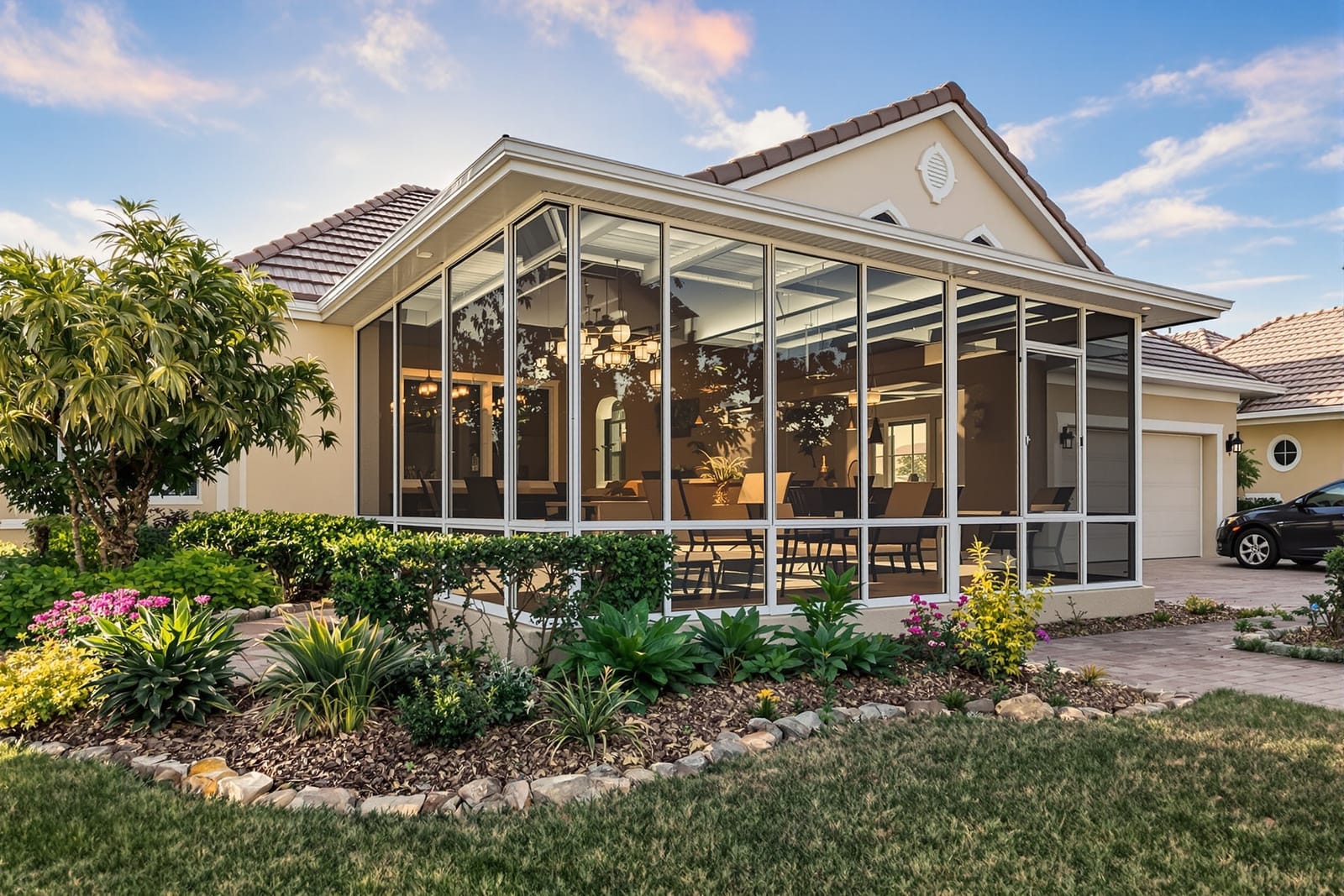
Create a private outdoor escape with a lanai screen enclosure in Melbourne, FL. We design and build custom lanai cages that complement your home and landscaping. Enjoy shade, airflow, and year round use of your patio without worrying about insects or debris.
Melbourne Screening provides professional lanai screen enclosure throughout Melbourne, FL, Florida and the surrounding area. Our licensed, insured crew delivers safe, clean, on-time work with a free estimate before anything begins. Call 321-449-7928 or request your free quote.
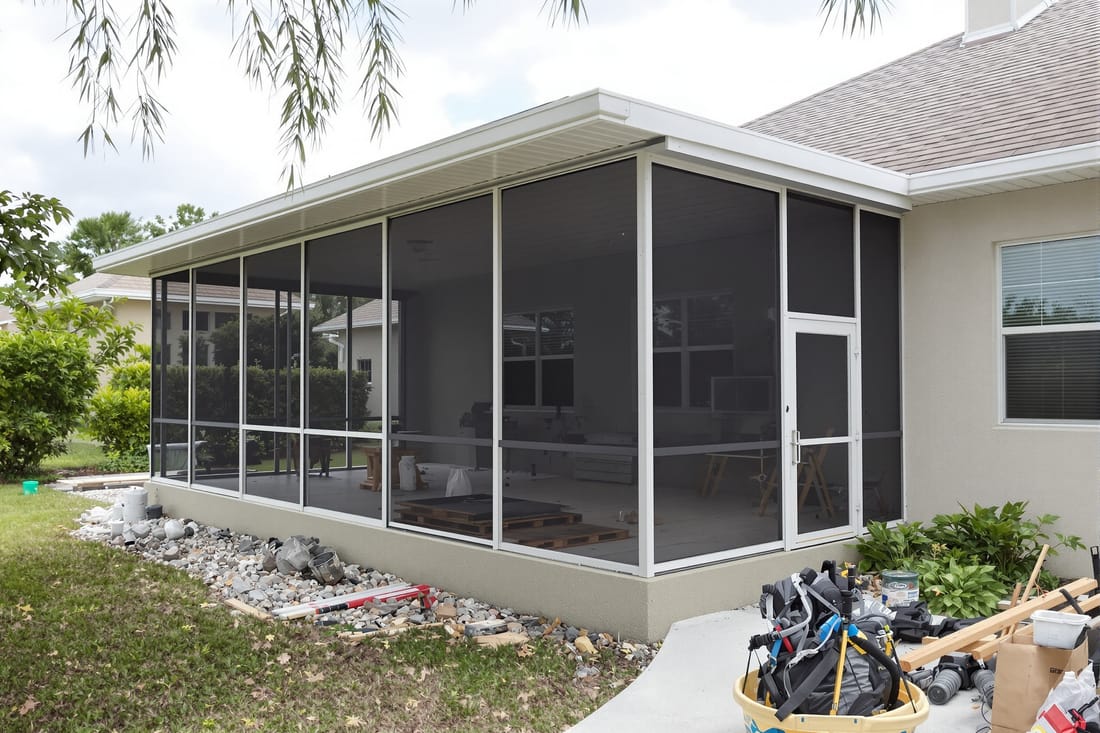
Lanai screen enclosures that fit how you really live in Melbourne, FL
A lanai screen enclosure is more than a bug barrier. In Melbourne, FL it is usually the most used “room” in the house for at least 9 months of the year. At Melbourne Screening we design each enclosure around how you actually use the space: morning coffee, pets, plants, grilling, or a spa. Before we talk price, we measure how the sun hits your lanai, where the wind loads are strongest, and how close you are to the river or ocean, because salt air and storms change what we recommend.
Most local lanai enclosures are built with aluminum frames and fiberglass or polyester screen. For homes closer to the beach or Indian River, we usually suggest upgraded coastal-grade aluminum and hardware so the frame and screws do not corrode in a few seasons. Inland neighborhoods often do fine with standard alloy and stainless fasteners as long as the frame is properly anchored and maintained.
We take the time to check your existing patio slab and roof line. In many Melbourne homes, slabs are slightly out of square or have hairline cracks. Instead of trying to force a factory layout to fit, we adjust the frame layout, shim where needed, and seal properly so you get straight sight lines and tight screens without gaps where palmetto bugs or no-see-ums creep in.
Every project starts with a walk-through where we ask about pets, furniture layout, and how you like to move between the house, yard, and garage. This is when we decide placement for doors, kick plates, pet doors, and screen types so you do not end up lifting a grill over a rail or dragging wet dogs through the living room.
How Melbourne Screening builds a sturdy lanai screen enclosure
Here is what actually happens when you hire Melbourne Screening for a lanai screen enclosure in Melbourne, FL.
1) Site check and measurements: We laser measure the lanai, check the slab for slope, and inspect the house wall and roof fascia where the enclosure will attach. Many older Melbourne homes have fascia wood that has softened from humidity. If we find that, we either repair or attach into sound structure so the enclosure can handle wind.
2) Layout and permitting: We draft a to-scale layout showing post locations, doors, and roof style if the enclosure will have a structural roof. For most lanai screen enclosures we work under Florida building codes and local Brevard County wind requirements. We handle the permitting package, which usually includes engineering drawings for larger or higher enclosures.
3) Fabrication: After approval, we cut the aluminum frame members, doors, and kick plates. Color choices usually include white, bronze, or sometimes beige to match common Melbourne subdivisions. We pre-drill for fasteners and pre-fit doors so on-site assembly is efficient and accurate.
4) Installation: We fasten the base track into your slab using stainless or coated concrete anchors, then install vertical posts, horizontals, and door frames. All anchor heads are sealed to keep water out of the slab and reduce rust. When framing is done, we screen each bay using spline sized correctly for the screen type, pulled to a consistent tension so you get flat, tight panels without over-stressing the frame.
5) Final sealing and cleanup: We run sealant at critical joints where the house wall meets the enclosure and at slab transitions. We test doors for swing, latch, and closer speed, pick up aluminum shavings and old screen pieces, and walk the whole enclosure with you to point out what we did and how to operate any features like dog doors or removable panels.
Screen materials, design options, and what affects your cost
Lanai screen enclosures are not one-size-fits-all. At Melbourne Screening we talk through materials and design choices before we give you a firm price so you know exactly what you are paying for.
Screen fabrics: Most basic enclosures use standard fiberglass insect screen, which keeps out mosquitoes and lovebugs and gives good airflow at a lower cost. If you are closer to wetlands or the river and bothered by no-see-ums, we usually recommend a tighter weave “no-see-um” screen so the tiny insects stay out. For homes with pets or small kids who push on the screen, we can upgrade to stronger pet-resistant polyester screen that is harder to tear.
Frame and color: Aluminum frames come in different wall thicknesses. For taller or wind-exposed lanais, such as corner lots or homes backing up to open water, we use heavier wall posts and additional bracing. This raises cost but gives better performance in storms. Color choices like white or bronze can be matched to existing windows and doors so the enclosure looks like it came with the house.
Design features: Cost is affected by the number of doors, the width of open spans, and whether you want items like kick plates, chair rail height bars, or hidden fasteners. A single door against the wall is cheaper than a double door or large opening for moving furniture or a hot tub, but a too-small door can be a long-term headache, so we talk about what you plan to bring in and out.
Local factors: Melbourne’s coastal climate means salt, sun, and storms. If your home is within a few miles of the ocean, we often recommend upgraded fasteners, better powder coating, and sometimes protective caps at exposed connections. These small upgrades can add a little to the upfront price but usually extend the life of the enclosure and reduce maintenance calls later.
Common lanai enclosure problems in Melbourne and how we prevent them
Because we work only in this area, we see the same lanai issues over and over again in Melbourne, FL and we design new enclosures to avoid them.
Blown-out panels: Strong summer storms can pop out loosely installed screen panels. We prevent this by using the correct spline size for each type of screen and pulling consistent tension, not over-tightening. We also pay attention to how the wind hits your house, and in particularly exposed spots we may suggest smaller individual bays instead of very wide panels.
Sagging frames and loose doors: We often get called to fix doors that do not latch or frames that seem to “rack” after a few years. This usually comes from poor anchoring or not tying the enclosure correctly into the house structure. When we build, we anchor into solid concrete and structure, check every door for square and plumb, and use corrosion-resistant hinges and closers that hold adjustment.
Rust and corrosion: In waterfront parts of Melbourne, screws and hardware can rust quickly if the wrong materials are used. We use stainless or coated fasteners rated for exterior coastal use, and we seal exposed heads to cut down on moisture intrusion. For homeowners who want the least maintenance, we can spec higher-grade hardware from the start and explain the cost difference upfront.
Drainage and debris: Many lanais sit slightly lower than the interior floor, and poor enclosure design can trap water and leaves. We check how your slab drains and place door thresholds and tracks so water can exit instead of pooling. For heavily treed yards, we can tweak the design so you have sections that are easier to access for gutter and leaf cleaning, or we can use screen types that shed debris more easily.
What to expect when you work with Melbourne Screening
Good results with a lanai screen enclosure start with knowing what you want and what your property needs. When you call Melbourne Screening, we first ask about how you use the lanai now and what bothers you most. Bugs, sun glare, neighbors’ sight lines, pets getting out, or rust stains on the patio all have different solutions.
During the on-site visit we take careful measurements, show you actual screen samples, and point out any existing issues like cracked concrete, damaged stucco, or soft fascia wood that could affect the new enclosure. If there are options at different price levels, we explain what changes between them so you can choose without feeling pressured.
Once you approve the plan, we schedule the job, pull the permit if required, and give you a realistic timeline. On most standard lanai screen enclosures in Melbourne, installation takes one to three days once materials are ready, depending on size and complexity. We keep the work area as contained as possible so you can still use the rest of your yard or driveway.
At the end, we walk you through how to spot early signs of wear, like small spline shrinkage or minor pulls in the screen, so you can call before a small issue becomes a full panel replacement. We also explain what kind of cleaning is safe for your specific screen type, especially if you use pressure washing.
If you are considering a new lanai screen enclosure or replacing an older cage anywhere in the Melbourne, FL area, Melbourne Screening is ready to look at your space, talk honestly about what makes sense for your home, and build an enclosure that holds up to our local weather and the way your family actually uses it.